
As Southeast Asia moves deeper into 2026, two massive logistical shifts are reshaping the region: the movement
If you follow Myanmar migrant worker news, you have likely seen the term “ဘတ်ရိုက်ခြင်း” (Bat Yaik Chin). While a direct translation implies “printing Thai Baht,” it has nothing to do with currency or remittances.
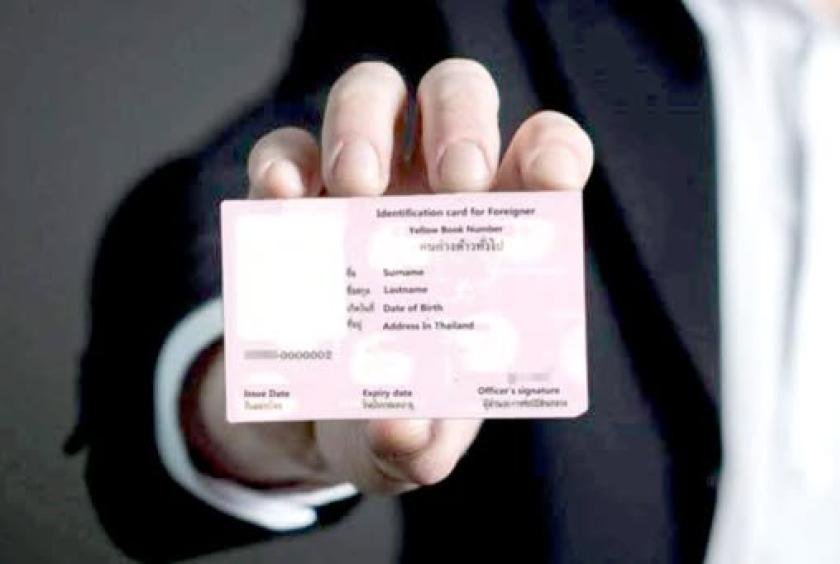
“Bat” is actually a loanword from the Thai word บัตร (Bat), meaning “card.” Therefore, “Bat Yaik Chin” is the colloquial Burmese term for the process of applying for the Non-Thai Identification Card, commonly known as the Pink Card (บัตรชมพู).
Why 2026 is a Critical Year
The Pink Card is the holy grail for migrant workers from Myanmar, Cambodia, Laos, and Vietnam. It acts as a primary domestic ID in Thailand, allowing workers to open bank accounts, access healthcare, and travel domestically without carrying a passport.
The Thai government periodically opens registration windows to regularize undocumented workers. For the 2025–2026 cycle, strict deadlines are in place. Workers must have their employers submit a “Name List,” complete medical checks, and pay for their work permits by March 2026, with final biometric data collection wrapping up by June 2026.
The Cost vs. The Reality
While the official government fees are relatively straightforward, the reality on the ground is often heavily inflated by brokers (ပွဲစား).
| Requirement | Official Fee (THB) |
|---|---|
| Pink Card Issuance | ~60 – 80 |
| Work Permit (1 Year) | ~900 – 1,000 |
| Medical Check | 500 – 600 |
| Health Insurance (1 Year) | 1,600 |
Warning for Workers: The total official cost hovers around 3,200 THB. However, unauthorized brokers are reportedly charging anywhere from 7,000 to 15,000 THB to handle the paperwork, with many scamming workers entirely. Labor rights groups in Mahachai urge workers to only use registered agencies to avoid falling victim to “hit-and-run” scams.